EV vs Petrol Cars: Which One Should You Buy in 2026?
Introduction
With electric vehicles becoming increasingly popular in India, many car buyers are asking the same question: Should I buy an EV or a petrol car?
While EVs offer lower running costs and environmental benefits, petrol cars continue to dominate due to their convenience and extensive fueling infrastructure. The right choice depends on your budget, driving habits, and long-term goals.
In this guide, we’ll compare EV vs petrol cars across key factors including cost, performance, maintenance, charging, and resale value.
EV vs Petrol Cars: Quick Comparison
| Factor | EV (Electric Vehicle) | Petrol Car |
|---|---|---|
| Running Cost | Very Low | Moderate to High |
| Purchase Price | Higher | Lower |
| Maintenance | Lower | Higher |
| Fueling/Charging Time | Longer | Quick |
| Environmental Impact | Low Emissions | Higher Emissions |
| Driving Experience | Smooth & Silent | Traditional |
| Charging Infrastructure | Growing | Widely Available |
| Long-Distance Travel | Less Convenient | More Convenient |
1. Initial Purchase Cost
One of the biggest differences between electric and petrol cars is the upfront price.
EVs generally cost more because of expensive battery technology. However, government incentives and lower operating costs can help offset the higher purchase price over time.
Winner: Petrol Cars
If you’re working with a tight budget, petrol cars remain more affordable initially.
2. Running Costs
Electricity is significantly cheaper than petrol. Depending on your location, charging an EV can cost a fraction of what you’d spend on fuel for the same distance.
For drivers covering 1,000–2,000 km per month, the savings can be substantial over several years.
Winner: EVs
Electric vehicles offer significantly lower running costs.
3. Maintenance Costs
EVs have fewer moving parts compared to petrol vehicles. They don’t require oil changes, spark plug replacements, or many of the routine services associated with internal combustion engines.
Petrol cars require more frequent servicing and maintenance.
Winner: EVs
Lower maintenance is one of the strongest advantages of electric vehicles.
4. Performance and Driving Experience
Electric cars deliver instant torque, resulting in smooth acceleration and a quieter ride. Many drivers find EVs more enjoyable in city traffic.
Petrol cars, however, often provide greater driving range and familiar driving characteristics.
Winner: EVs for City Driving
For daily commuting, electric vehicles offer a superior driving experience.
5. Charging vs Refueling
Petrol cars can be refueled within minutes at thousands of fuel stations across India.
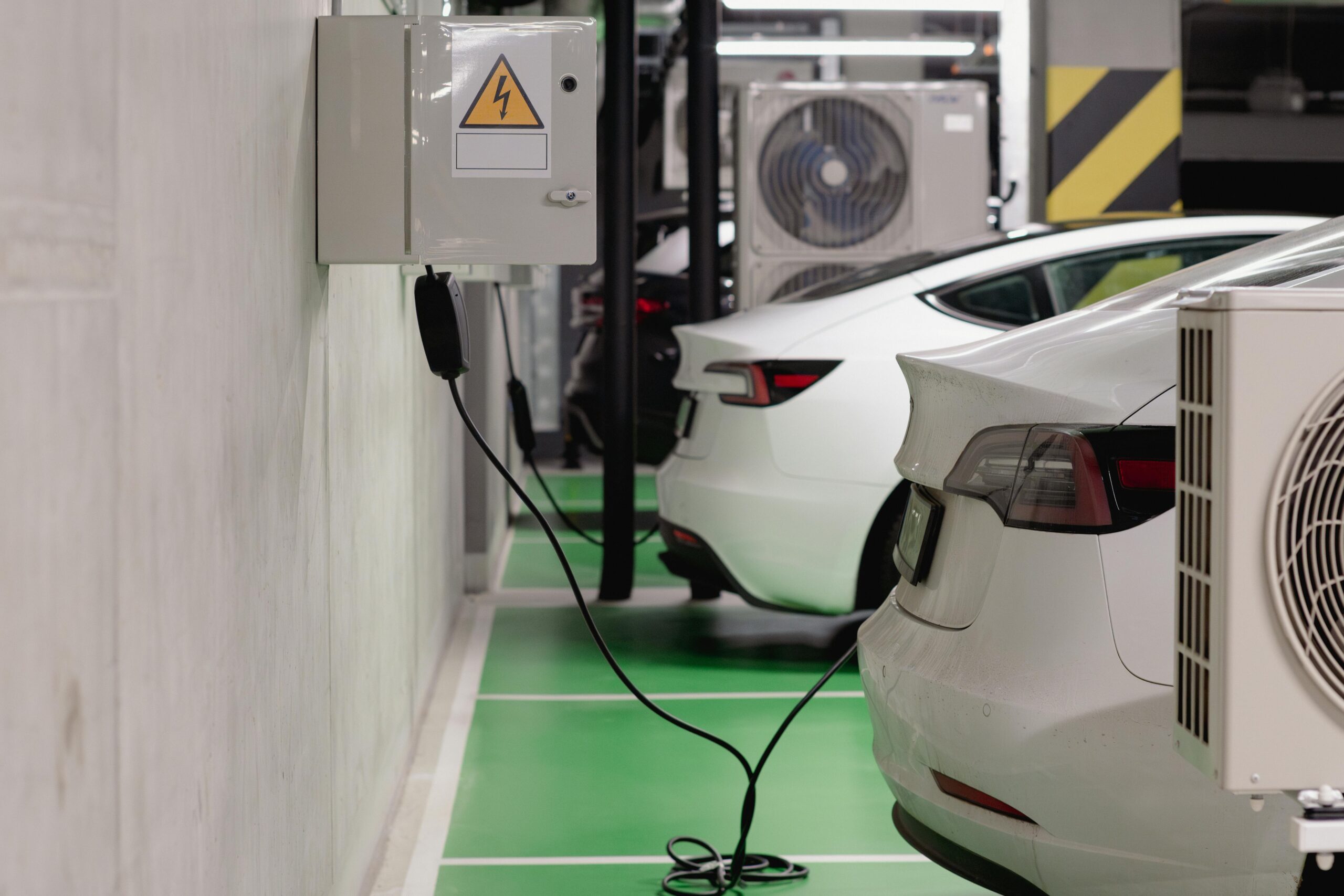
EVs require charging, which can take anywhere from 30 minutes to several hours depending on the charger type.
Winner: Petrol Cars
For convenience and long-distance travel, petrol vehicles still have an advantage.
6. Environmental Impact
EVs produce zero tailpipe emissions, helping reduce air pollution and dependence on fossil fuels.
While electricity generation may still involve some emissions, EVs generally have a smaller environmental footprint than petrol vehicles.
Winner: EVs
Electric vehicles are the greener choice.
7. Long-Distance Travel
If you frequently travel between cities, petrol cars currently offer more flexibility because fuel stations are readily available.
Although India’s EV charging network is expanding rapidly, charging infrastructure remains less widespread in some regions.
Winner: Petrol Cars
Petrol vehicles are currently better suited for frequent long-distance driving.
8. Resale Value
The resale market for petrol cars is mature and predictable. EV resale values are still evolving as battery technology continues to improve.
However, as EV adoption increases, resale values may become stronger in the coming years.
Winner: Petrol Cars (for now)
Petrol vehicles currently have a slight advantage in resale predictability.
Who Should Buy an EV?
An electric vehicle may be ideal if:
- You primarily drive within the city.
- You have access to home charging.
- You want lower running costs.
- You prioritize environmental sustainability.
- You plan to keep the vehicle for several years.
Who Should Buy a Petrol Car?
A petrol car may be a better choice if:
- You frequently travel long distances.
- Charging infrastructure is limited in your area.
- You need a lower upfront purchase cost.
- You want quick refueling and maximum convenience.
Final Verdict: EV or Petrol Car?
There is no one-size-fits-all answer in the EV vs Petrol Cars debate.
Choose an EV if you want lower running costs, minimal maintenance, and an eco-friendly driving experience.
Choose a petrol car if you prioritize affordability, convenience, and frequent long-distance travel.
As charging infrastructure continues to expand across India, electric vehicles are becoming increasingly practical. However, petrol cars remain a reliable option for many buyers today.
Bottom Line: For urban drivers, an EV is often the smarter long-term investment. For frequent highway travelers, a petrol car may still be the better choice.


Post Comment